
Services
Otoplasty (ear correction)
Correcting ear shape and position.
from 250 000 ₸ Correction of both ears; general anaesthesia adds 200,000 ₸
- MD surgeons
- 3D planning
- International standard
WHAT PATIENTS COME WITH
Common concerns
IN DETAIL
About the procedure in detail
What otoplasty is
What otoplasty is
Otoplasty is surgery on the ears: it changes their shape, position, size or proportions. It is most often chosen for protruding ears, noticeable asymmetry or congenital features of the outer ear structure. Both children and adults are operated on - when there are indications and no contraindications.
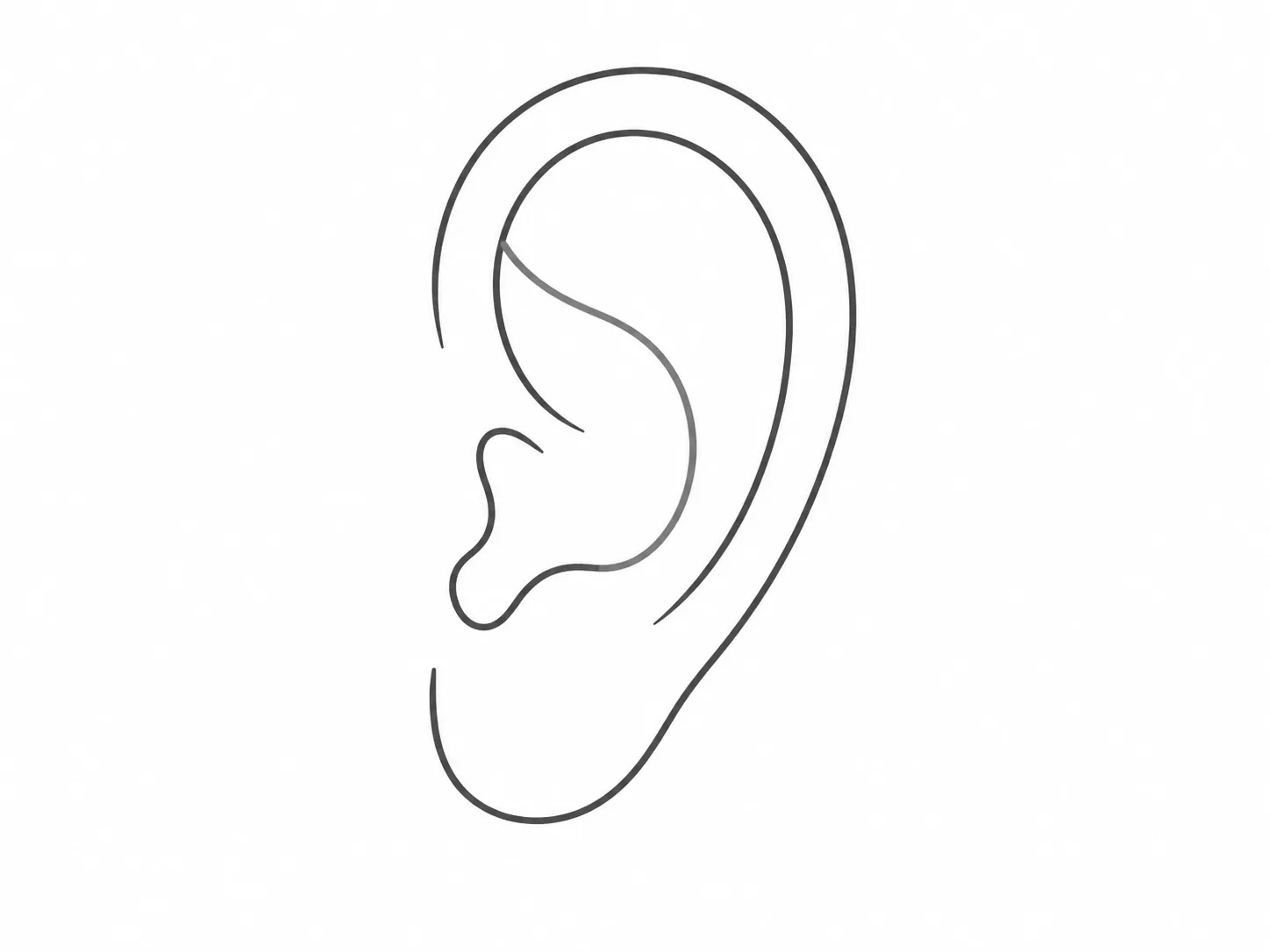
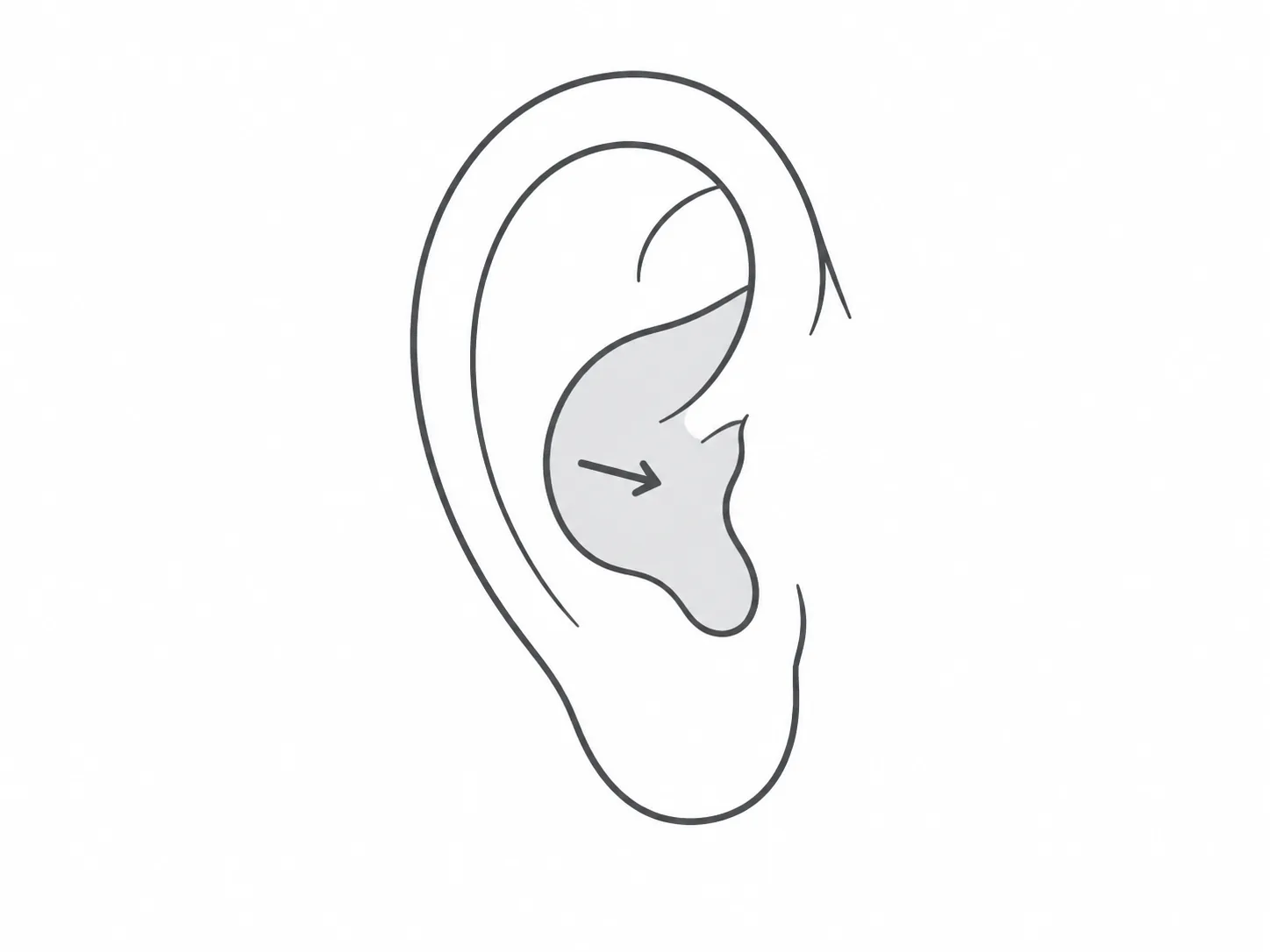
The aim is not to press the ears against the head as much as possible. The surgeon creates natural curves and reduces excessive protrusion, taking into account the shape of the helix and the antihelix, the depth of the concha, the density of the cartilage, the position of the earlobe and the difference between the two sides.
The two ears are almost never identical, even in people without any deformity. The goal of the operation is therefore to improve symmetry, not to make the ears mirror images of each other.
How the consultation and preparation go
How the consultation and preparation go
The surgeon finds out what exactly is troubling you: the distance between the ear and the head, the shape of the upper part of the ear, the size of the concha, the position of the earlobe or the difference between the sides. He then assesses the skin, the density of the cartilage, the degree of asymmetry, scars left by injuries and previous operations, proposes a technique and explains what result is realistic with this anatomy.
Before the operation the patient undergoes the examinations prescribed by the doctor: their scope depends on age, general health and the type of anaesthesia. The doctor needs to know about any illnesses, allergies, past operations, medication being taken and any substances that affect blood clotting.
A cold, inflammation of the skin around the ears, a raised temperature or another acute condition is a reason to postpone the operation until you have recovered.
Otoplasty in children and adults
Otoplasty in children and adults
In children the operation is considered once the ear has largely taken its shape and the cartilage allows a stable correction to be made. In practice this is usually around the age of five or six, but the suitable time is determined after an examination: the doctor looks not only at age but also at physical development, the condition of the skin and the cartilage, chronic illnesses and the ability to follow the aftercare regimen.
In children the reason is more often not the protruding ears themselves but the comments of other children and the distress they cause. The decision is made together - by the parents, the surgeon and the child. If the child clearly resists treatment or does not understand why it is needed, the operation should not be performed.
In adults otoplasty is performed at almost any age if general health allows. Age in itself is not a limitation, but over the years cartilage becomes denser and less elastic, and the surgeon chooses the technique to suit its structure.
How the surgeon chooses the method
How the surgeon chooses the method
There is no single technique that suits everyone. The surgeon determines what makes the ear protrude more: a poorly formed antihelix, a concha that is too deep, features of the earlobe or a combination of causes.
Suture techniques, shaping or partial weakening of the cartilage, reduction of a deep concha, correction of the earlobe - or several of these at once - are then used. The principle is the same in every case: handle the tissues gently, preserve natural contours and fix the cartilage securely in its new position.
How the operation goes
How the operation goes
The operation takes place in an operating theatre and lasts one to two hours on average. The exact time depends on the scope of the correction, the technique and on whether one ear or both are being operated on.
Adults are given local anaesthesia, local anaesthesia with sedation or general anaesthesia; children more often receive general anaesthesia. The form of anaesthesia is decided by the surgeon and the anaesthesiologist according to age, general health, the scope of the operation and the patient's readiness.
The incision most often runs in the natural fold behind the ear. Through it the surgeon shapes the cartilage, forms the required curves, reduces the depth of the concha where necessary and fixes the tissues in their new position, then places the sutures and a protective dressing. With this approach the scar is hidden behind the ear; how visible it will be depends on healing, the condition of the skin, wound care and any tendency to form dense scars.
Safety and risks
Safety and risks
Before the operation the doctor assesses contraindications and risk factors. During the procedure the patient's condition is monitored by the medical team, and under sedation or general anaesthesia by an anaesthesiologist with the necessary monitoring.
No otoplasty is entirely without risk. Bleeding, haematoma, infection, impaired healing, a temporary change in sensitivity, a dense or noticeable scar, asymmetry, contour irregularities, partial loss of the correction, a reaction to the suture material and the need for an additional procedure are all possible. These are not common, but you need to know about them before the operation.
Severe and increasing pain, rapidly growing swelling, a noticeable difference between the ears, bleeding, a raised temperature, discharge from the wound or an unpleasant smell are reasons to see a doctor straight away, without waiting for the scheduled check-up.
Recovery and scars
Recovery and scars
A protective dressing is placed on the ears immediately after the operation. In the first hours there may be pressure, moderate soreness, numbness or increased sensitivity; the patient stays under observation until the condition is stable. On that day it is important to rest, keep the head raised and not remove the dressing yourself.
Over the first two or three days the swelling and discomfort are usually at their most noticeable; bruising is possible, and the swelling may differ on the right and the left. You need to sleep on your back, without pressing the ears against the pillow. Overheating, baths and saunas, alcohol, sport and treating the wound with any products the doctor has not prescribed are all not allowed.
During the first week the surgeon carries out follow-up examinations. When the external sutures are removed depends on the material and the technique; absorbable sutures do not need to be removed. Most people return to quiet work or study after about a week, sometimes later.
After that the doctor may recommend an elastic headband, more often at night. For several weeks the ears need to be protected from pressure, knocks and catching on clothing: put clothes on over your head carefully, and take care with glasses, combing your hair and washing your hair. Intense exercise and contact sports are allowed only with the surgeon's permission; for children it is especially important to avoid games in which the ear could be injured for a while. Piercing the earlobe or the cartilage is postponed until healing is complete and the doctor allows it.
The position of the ears changes immediately, but in the first weeks the result is partly hidden by swelling. The preliminary result is assessed once the main swelling has gone down, and the final one after healing is complete and the scars have matured. A slight residual asymmetry is possible and does not mean the operation was unsuccessful: the right and the left ear were different to begin with.
The scar behind the ear is pink and dense at first, then becomes lighter and softer. If you are prone to hypertrophic or keloid scars, tell the doctor in advance. Once healing is complete the surgeon will, if necessary, recommend silicone products, device-based procedures or other methods of scar correction - you should not start any treatment on your own.
Sources of medical information
Sources of medical information
The text has been prepared on the basis of the generally accepted principles of plastic and reconstructive surgery of the outer ear, materials of the National Center for Biotechnology Information (USA), clinical materials of the Cleveland Clinic and educational materials of specialist facial plastic surgery societies. It does not replace an in-person consultation with a surgeon: the surgical method, the type of anaesthesia, the scope of the examinations and the recovery times are determined individually.
The result is always individual and depends on the diagnosis, the preparation, the scope of the treatment and the recovery.
FIND YOUR TREATMENT
Not sure what suits you?
Answer a few questions and the doctor will advise which direction suits you best.
HOW TREATMENT WORKS
How treatment works
-
01
Consultation
The doctor assesses the shape and position of the ear cartilage
-
02
Diagnostics
The correction scope is determined
-
03
Shape planning
The desired result is discussed
-
04
Surgery
The correction is performed according to an individual plan
-
05
Recovery
Healing is monitored and the dressing is removed
BENEFITS
Benefits
Natural contours
A long-lasting result
For children and adults
Minimal trace
THE TEAM
Specialists

BEFORE AND AFTER
Results
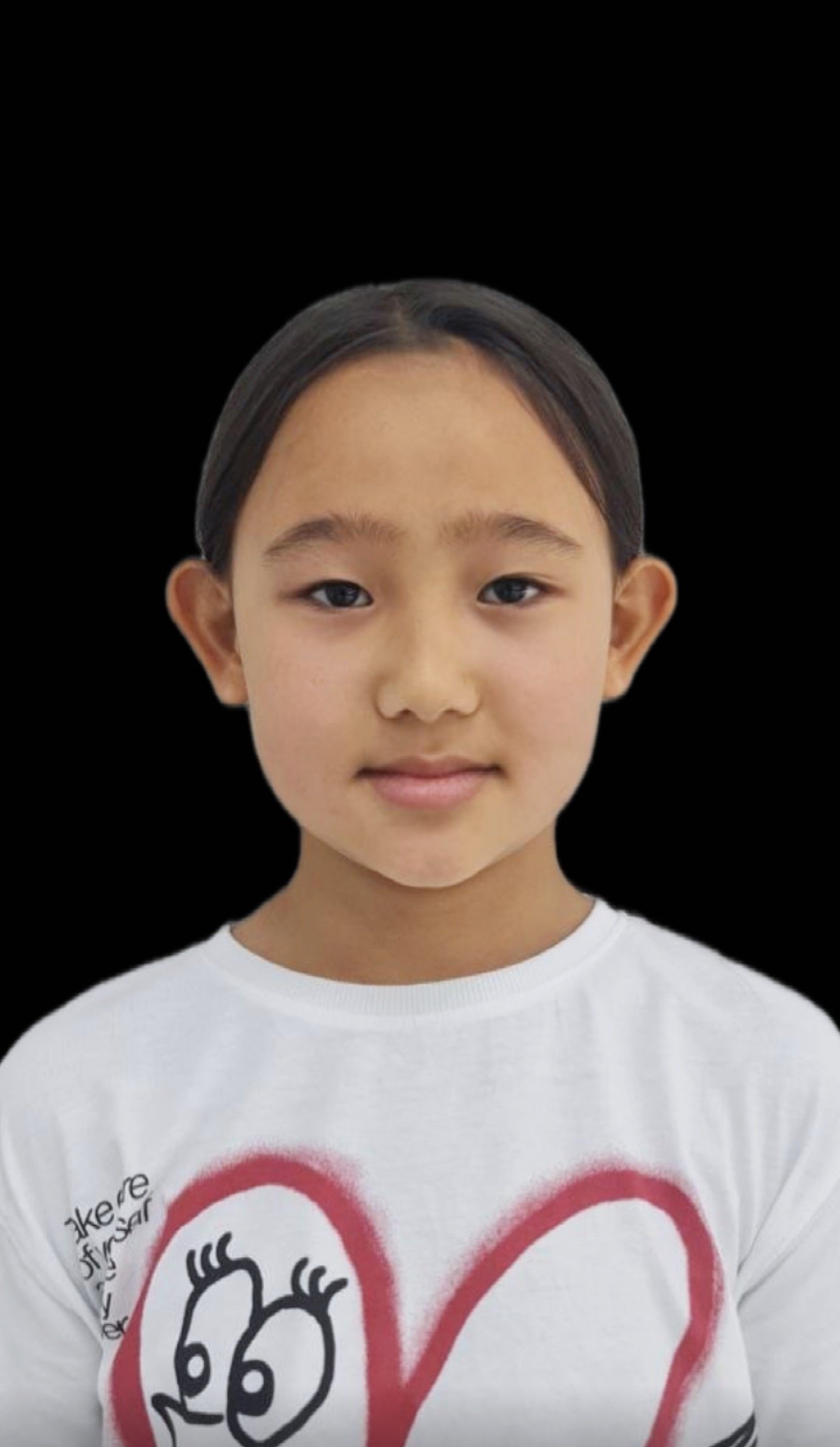
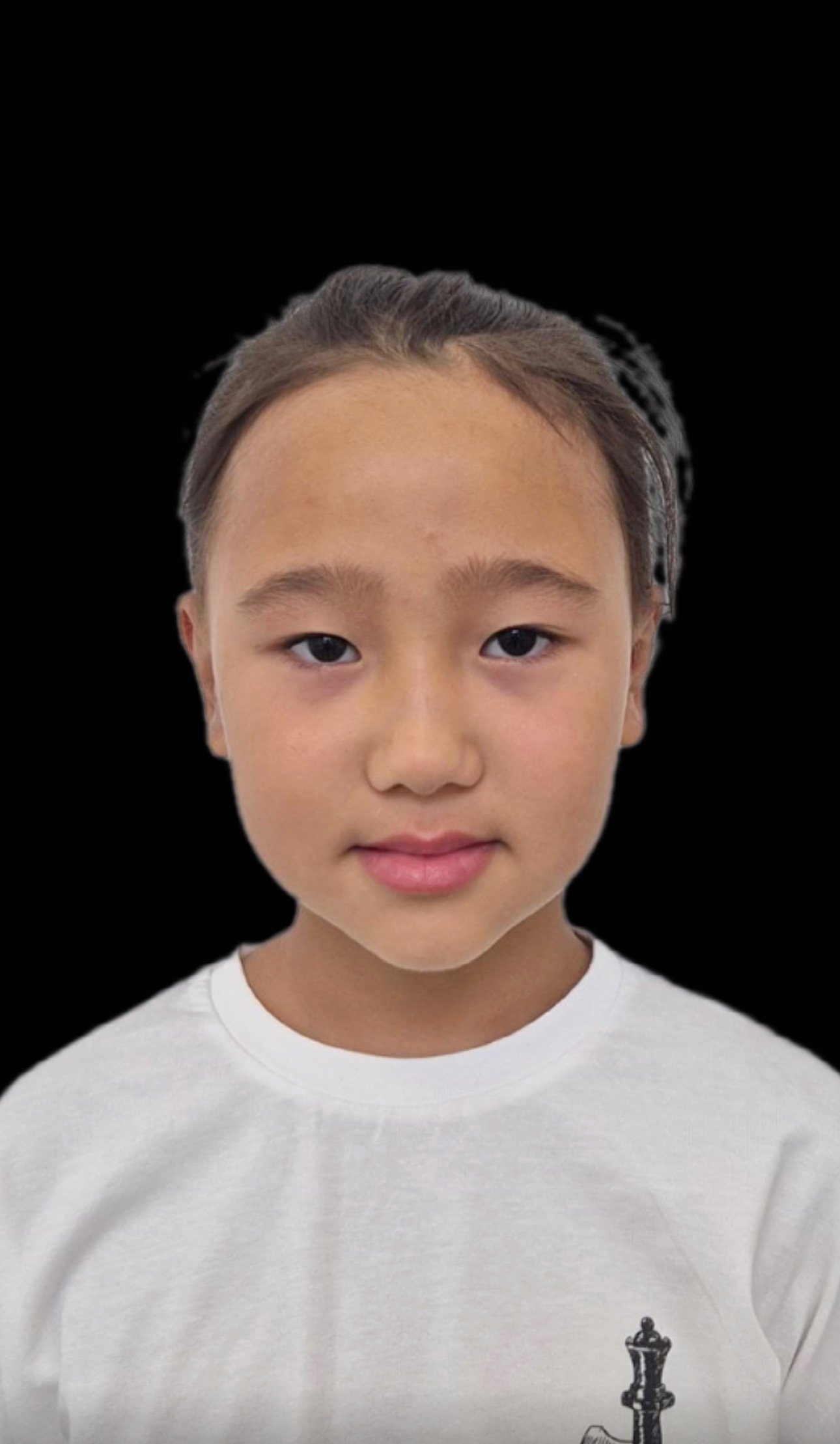
Sensitive content
The result is individual and depends on the starting condition, the extent of the surgery and following the doctor's recommendations.
REVIEWS
Patient reviews
I'd been self-conscious about my protruding ears since school and always wore my hair down to cover them. As an adult I finally decided to go for a consultation. The surgeon explained in detail what the result would look like, and the surgery itself was quick. The bandage came off after a few days, and my ears now look natural - I can finally tie my hair up without feeling self-conscious.
My ears were different sizes and stuck out to different degrees, which was immediately obvious in front-facing photos. At the consultation the doctor showed how the asymmetry would be corrected. The surgery and recovery took less time than I expected. My ears are symmetrical now, and I've stopped worrying about camera angles in photos.
I put off ear surgery for a long time, thinking it wasn't as serious a problem as others. But every time I tied my hair up I felt uncomfortable about it. The surgeon took it seriously and explained the whole process without rushing. The result is neat, and the scars behind my ears are barely visible. My only regret is not coming sooner.
QUESTIONS
Frequently asked questions
From what age can a child have otoplasty?
The operation is often considered from about five or six years of age, when the ear has largely taken its shape. The decision is made individually after an examination and an assessment of how ready the child is for the operation and the recovery.
Can otoplasty be performed on one ear only?
Yes, one-sided correction is possible when one ear is noticeably asymmetric or deformed. The surgeon still assesses both ears in order to bring their position and shape closer to each other.
Will the ears look too flat against the head?
The surgeon aims to keep a normal distance between the ear and the head and to avoid a flat contour: the goal of the operation is a natural position of the ears, not pressing them in as far as possible. The outcome depends on the initial anatomy, the chosen technique and healing.
What kind of anaesthesia is used?
In adults - local anaesthesia, local anaesthesia with sedation or general anaesthesia. In children general anaesthesia is used more often. The choice depends on age, the scope of the operation, general health and the decision of the surgeon and the anaesthesiologist.
How long does the operation take?
One to two hours on average. With a complex deformity, a repeat operation or a combination of several types of correction it can take longer.
Will it hurt?
During the operation pain is blocked by anaesthesia. Afterwards there is usually moderate soreness, pressure or tightness, which is controlled with the prescribed medication. Sharp or increasing pain needs to be examined by a doctor.
Do I need to stay at the clinic?
In many cases otoplasty is performed as day surgery: after a period of observation and with the doctor's permission the patient goes home. Sometimes longer observation is needed, especially after general anaesthesia.
When are the stitches removed?
That depends on the suture material and the surgical technique. External non-absorbable stitches are often removed after about a week, but the exact date is set by the surgeon. Absorbable stitches do not need to be removed.
How long does the dressing need to be worn?
A protective postoperative dressing is used first, after which the doctor may recommend an elastic headband, often mainly during sleep. There is no universal period - the regimen depends on the surgical technique and on how healing goes.
Will any scars remain?
The main incision is usually hidden behind the ear, and once the scar has matured it becomes barely visible in most cases. At the same time, healing after a surgical incision is never completely traceless.
Can the ear start to stick out again?
The result of otoplasty is usually long-lasting. Cartilage, however, has a natural elasticity, and in rare cases part of the correction can be lost or the shape can change - particularly after an injury, when the aftercare regimen is not followed, or because of individual scarring.
Will my hearing change?
Aesthetic otoplasty changes the shape of the outer ear and does not affect the structures of the middle or inner ear. The operation is not intended to improve hearing and as a rule does not affect hearing function.
When can I go back to work, study and sport?
Many people return to quiet work or study after about seven to ten days; the exact timing depends on how you feel and on the kind of activity. Physical exercise, and contact sports in particular, are resumed only with the surgeon's permission.
Can I wear glasses after the operation?
That depends on where the arms of the glasses sit, on the pressure on the tissues and on the type of correction. Sometimes glasses can be used carefully, sometimes they have to be set aside for a while. The surgeon gives precise recommendations.
Can a previous otoplasty be corrected?
A repeat otoplasty is possible, but it is usually more difficult than the first one: scar changes, the condition of the cartilage and the previous sutures all make it harder. Whether it can be done, and to what extent, is decided after an in-person examination.
Are there any contraindications?
The operation may be temporarily or permanently contraindicated in acute infections, inflammation of the skin around the ears, blood clotting disorders, decompensated chronic conditions and other states that increase surgical or anaesthetic risk. The decision is made after a consultation and examination.
MORE SERVICES
You may also be interested in


CONSULTATION
Book a Consultation
Free specialist advice